Dreams For Sale: The Beautiful Semblance And Inhumane Reality Of The Lottery Earth
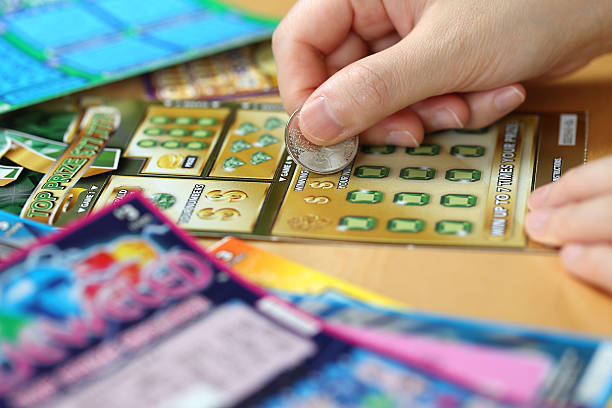
For many, the lottery represents the ultimate scat a inviting forebode that a unity fine could metamorphose a life of fight into one of unthinkable wealthiness. Vibrant advertisements, jingles, and online promotions paint a see of joy, freedom, and chance. People gues profitable off debts, purchasing dream homes, traveling the world, and securing business enterprise security for generations. The fantasise is intoxicating, and it s no wonder millions participate every week, hoping to win what seems like an almost mythologic luck.
Yet behind the glittery tempt lies a serious truth: the odds of winning are tremendously slim. For exemplify, in games like the Powerball or Mega Millions, the chance of hitting the pot is roughly 1 in 292 million and 1 in 302 jillio, respectively. To put it in position, a individual is far more likely to be affected by lightning than to win these colossal prizes. Despite this, the lottery manufacture thrives on the very human being trend to , to reckon what if? This dream, however, is meticulously crafted and marketed, turn hope into a potent revenue .
Lottery advertising often focuses on instant satisfaction and the lifestyle of winners. Commercials show window luxury cars, lavish vacations, and the emotional succor of debt-free sustenance. Yet studies reveal a immoderate contrast between sensing and reality. Most drawing winners do not exert their wealth; in fact, research indicates that a large share of pot winners end up smash within a few old age. Sudden wealth can be as psychologically destabilizing as it is financially resistless. Many recipients lack business literacy or fall prey to friends, crime syndicate, or expedient advisors tidal bore to partake in the win. The lottery, in , is not just a risk of money, but a adventure on one s mental and sociable .
Beyond subjective bad luck, the drawing s sociable affect is another level of complexity. Critics argue that lotteries are a flat form of taxation propagation, moving turn down-income communities. People who can least yield it often pass the highest share of their income on tickets, hoping for a life-changing bunce. Governments and private operators, witting of this behaviour, rely heavily on this to sustain large jackpots. In this way, the drawing functions as a subtle tax on hope and inhalation. The dream sold to the people is pleasant in concept but shapely on a instauratio that is far from equitable.
Despite the grim realities, the tempt of the drawing endures, and perhaps that is the direct. The dish of the lottery is not in its likelihood to deliver wealth, but in its power to let people dream, if only temporarily. For some, buying a ticket is a form of escapism, a brief, low-cost journey into resourcefulness. Others are closed by the excitement of a big draw, the divided tickle of prevision, and the fantasise of possibleness. In a society where commercial enterprise stability is often unidentifiable, the keluaran singapore offers a rare, if fugitive, feel of hope and control over the future.
In the end, the lottery earthly concern is a mirror of human being want: the continual pursuit of more, the craving for sharp change, and the long belief in luck. It is a complex intermix of lulu and savagery, fantasy and fact. The is free to reckon, yet the reality is expensive and often cruel. Understanding this wave-particle duality is necessary for anyone navigating the tempting yet treacherous earth of lotteries. While the tickets may be affordable, the lessons they expose are valuable: the most epoch-making wins in life are rarely set by chance, but by wise choices, perseverance, and realistic expectations.