What is 10 11 years girl dress in pakistan?
Finding a suitable 10 11 years girl dress in pakistan is mainly about getting the right balance between comfort, age-appropriate style, fabric, fit, and the occasion. At this age, girls are active, growing quickly, and often have their own opinions about colors and designs. A dress that looks beautiful but feels uncomfortable may end up staying in the wardrobe. 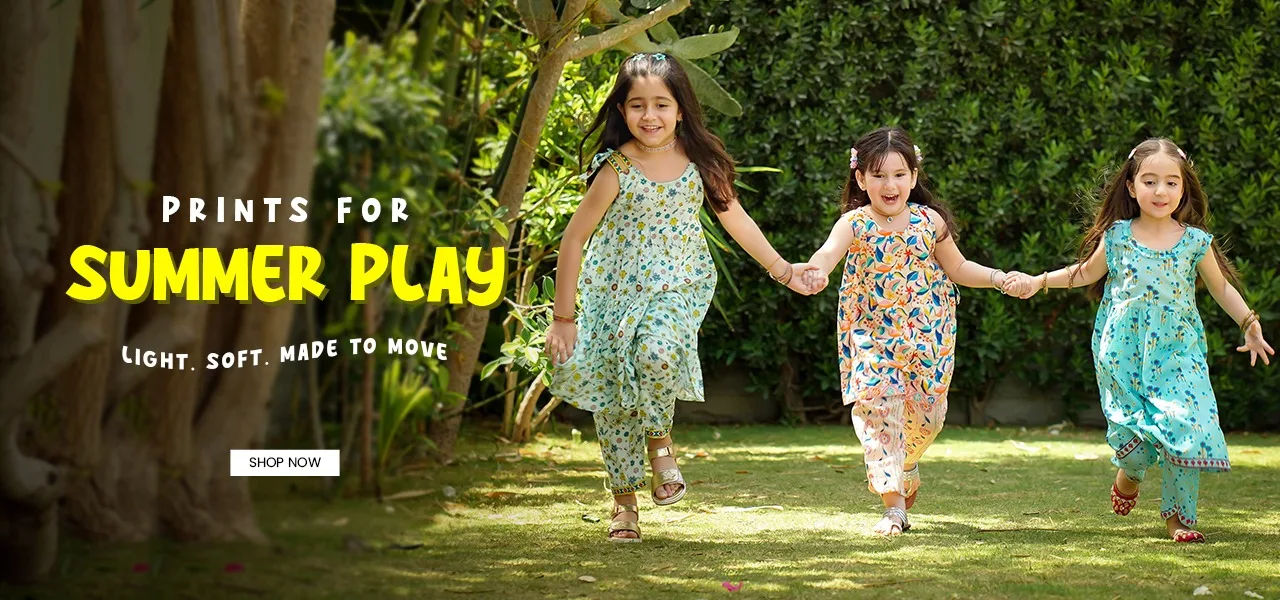 Parents therefore have more to consider than simply choosing a fashionable outfit.
The weather, cultural setting, school requirements, family events, and the child's personal preference can all affect the right choice. In Pakistan, children's clothing also varies considerably between summer and winter, so fabric selection matters just as much as design.
A good 10 11 years girl dress in pakistan should allow comfortable movement while still looking neat and suitable for the occasion. Whether you are shopping for Eid, a wedding, a birthday, school, or everyday use, understanding common clothing styles and sizing can make the process much easier.
Popular Dress Styles for Girls Aged 10–11
Girls between 10 and 11 years old can wear many different Pakistani clothing styles. The best option depends on where the outfit will be worn and what the child finds comfortable.
Shalwar Kameez
Shalwar kameez remains one of the most practical choices for Pakistani girls. It is suitable for everyday wear, family gatherings, Eid, and many other occasions.
For a young girl, the kameez does not need to be excessively long or heavily decorated. A simple cut with comfortable sleeves and a matching shalwar can provide a traditional appearance without restricting movement.
Cotton shalwar kameez is particularly useful during warmer months. Printed fabrics, small embroidery details, and colorful borders can make a 10 11 years girl dress in pakistan attractive without making it too heavy.
Kurti With Trousers
A kurti paired with straight trousers or pants is another popular option. This style can provide a slightly more modern appearance while retaining elements of traditional Pakistani clothing.
For casual wear, cotton or lawn kurtis work well. A simple printed kurti can be paired with plain trousers, while a more decorated top can be worn with understated bottoms.
This combination is also practical because individual pieces can sometimes be mixed and matched with other outfits.
Frock-Style Dresses
Frocks are common choices for younger girls, especially for parties and family occasions. They can range from simple cotton designs to more elaborate formal dresses.
A frock with a comfortable waist and sufficient room around the legs allows easy movement. For everyday use, lightweight fabrics are generally more practical than stiff or heavily layered materials.
For a special occasion, a frock may include embroidery, lace, net, pleats, or decorative borders.
Two-Piece and Three-Piece Outfits
Two-piece and three-piece outfits give parents more flexibility. A typical three-piece outfit may include a shirt, trousers, and dupatta.
For a 10- or 11-year-old, the dupatta can be kept lightweight and easy to manage. If the child is particularly active, parents may prefer an outfit without unnecessary accessories that could become inconvenient during play.
How to Choose the Correct Size
Age is useful as a general guide, but it should not be the only measurement used when purchasing children's clothes.
Children of the same age can have very different heights, body proportions, and growth patterns. A dress labeled for 10 or 11 years may fit one child perfectly and another child poorly.
Measure Height
Height is one of the most useful measurements when selecting children's clothing.
Measure the child while she is standing naturally and without shoes. Compare her height with the size chart provided by the clothing seller.
If buying online, do not rely solely on labels such as "10 years" or "11 years." Look for actual measurements whenever they are available.
Measure Chest and Waist
Chest and waist measurements can help determine whether a shirt, kurti, or frock will fit comfortably.
The measuring tape should be positioned comfortably rather than pulled tightly around the body. Children's clothing should provide enough room for normal movement.
A very tight outfit can quickly become uncomfortable, especially when worn for several hours.
Consider Growth Room
Children grow quickly, so purchasing an outfit with a little extra room can be sensible. However, there is a difference between allowing growth room and buying clothing that is excessively large.
An oversized dress can make movement difficult and may not look neat. Ideally, choose a fit that is comfortable now while leaving reasonable room for growth.
Best Fabrics for Pakistani Weather
Pakistan experiences considerable differences in temperature throughout the year. Fabric selection should therefore be based on the season.
Lawn and Cotton for Summer
Lawn and cotton are popular choices for warm weather. They are lightweight and generally comfortable for everyday clothing.
Cotton is particularly useful for school, home wear, and outdoor activities. Light-colored cotton outfits can also be practical during very hot weather.
When buying summer clothes, parents should examine the fabric rather than choosing solely according to appearance.
Linen and Khaddar for Cooler Weather
During winter, warmer fabrics become more practical. Linen blends, khaddar, and other heavier materials can provide additional warmth.
For cold weather, layering is often more useful than choosing one extremely heavy garment. A comfortable shirt can be combined with a cardigan, sweater, shawl, or jacket depending on the temperature.
Soft Fabrics for Sensitive Skin
Some children are uncomfortable with rough or heavily textured fabrics. Decorative materials can also cause irritation if they rub against the skin.
For this reason, check the inside of the garment. Seams, embroidery, sequins, hooks, and other details should not create unnecessary irritation.
Dresses for Different Occasions
The right clothing choice changes according to the event.
Everyday Clothing
Everyday outfits should prioritize comfort and durability. Cotton kurtis, simple shalwar kameez, printed frocks, and trousers are practical choices.
Bright colors and simple prints can make casual clothes attractive without requiring extensive decoration.
For children who play frequently, washable fabrics are especially useful.
Eid Dresses
Eid clothing can be more decorative. Embroidery, printed lawn, lace, colorful borders, and coordinated accessories are common choices.
However, comfort should not disappear simply because the occasion is festive.
A child may spend many hours visiting relatives, eating meals, playing with other children, and moving around. An outfit that is attractive but difficult to move in may not be the most practical option.
Wedding Dresses
Wedding outfits are usually more formal. Girls may wear embellished frocks, embroidered shalwar kameez, ghararas, lehenga-style outfits, or other festive designs.
The amount of embellishment should match the child's age and the event. Heavy embroidery and multiple layers can become uncomfortable during long functions.
Soft lining and careful finishing are particularly important in formal children's clothing.
Birthday and Party Dresses
Birthday parties allow greater freedom in styling. A colorful frock, coordinated top and trousers, or stylish kurti can work well.
The most important consideration is usually whether the child can comfortably sit, walk, eat, and participate in activities.
Choosing Colors and Patterns
Children often have strong preferences about colors by this age. Instead of selecting everything independently, parents can involve the child in the decision.
Popular choices may include pink, blue, purple, green, yellow, white, peach, red, and combinations of several colors.
Pastel shades can create a softer appearance, while brighter colors may work well for festive occasions.
Patterns also make a difference. Floral prints, geometric designs, small motifs, stripes, and traditional patterns can all work for children's clothing.
The pattern should complement the garment rather than overwhelm it.
Comfort Should Come Before Decoration
A common mistake when shopping for children's formal clothing is focusing too heavily on decoration.
Sequins, beads, lace, stones, and embroidery can make a dress look impressive. However, these details can also add weight and create discomfort.
Check whether decorative elements are securely attached. Pay attention to the inside of the garment as well as the outside.
A beautiful outfit should still allow the child to move naturally.
Footwear and Accessories
Clothing is only one part of an outfit. Shoes and accessories should also be practical.
For everyday clothing, comfortable sandals, sneakers, or simple shoes can work depending on the activity.
For formal events, dress shoes may complement the outfit. However, children should be able to walk comfortably in them.
Accessories should also be kept manageable. Hair accessories, small handbags, bangles, or simple jewelry can complement a festive outfit without becoming a distraction.
Buying Online Versus Shopping in Stores
Both options have advantages.
Physical stores allow parents and children to examine the fabric, stitching, colors, and actual size before purchasing. Trying an outfit on can also reveal problems that may not be obvious from photographs.
Online shopping offers convenience and provides access to a wider range of designs. However, measurements become especially important.
Before ordering online, check the seller's size chart, return policy, fabric description, and product photographs carefully.
Do not assume that a particular age label represents the same measurements across every brand or seller.
What to Check Before Buying
A quick inspection can prevent many problems.
Look at the stitching around the neckline, sleeves, seams, and trouser hems. Poor stitching can become noticeable after only a few washes.
Check zippers, buttons, hooks, and other fasteners. They should work properly and should not have sharp or uncomfortable edges.
For embellished dresses, inspect whether decorative elements are firmly attached.
Also consider washing instructions. Children's clothes often need frequent washing, so complicated maintenance requirements may make an otherwise attractive garment less practical.
How Pakistani Families Can Build a Useful Wardrobe
A child's wardrobe does not need to contain dozens of complicated outfits.
A practical collection can include comfortable everyday clothing, a few slightly smarter outfits for family visits, seasonal clothes, and several formal dresses for important occasions.
Neutral trousers can sometimes be paired with several kurtis. Similarly, simple shirts can be combined with different bottoms.
This approach can make children's clothing more versatile and reduce unnecessary spending.
Balancing Fashion With Age and Activity
At 10 and 11, children are developing their own sense of style. They may notice what their friends wear and have strong opinions about particular colors or designs.
Parents can encourage this independence while still considering comfort, appropriateness, weather, and the occasion.
Instead of choosing every detail for the child, offer a few suitable options and allow her to select among them.
This makes shopping more enjoyable and helps the child develop an understanding of clothing and personal style.
Common Mistakes to Avoid
One mistake is buying exclusively according to age. Age labels are not standardized enough to guarantee a perfect fit.
Another mistake is choosing clothing that is too tight because it looks more fitted. Children need room to move.
Buying extremely large clothing is another problem. Although growth should be considered, excessive sizing can make clothing uncomfortable and difficult to manage.
Parents should also avoid choosing heavy fabrics for hot weather simply because the design looks attractive.
Finally, do not overlook the child's opinion. An outfit that she refuses to wear provides little value regardless of how good it looks on a hanger.
Conclusion
Choosing a 10 11 years girl dress in pakistan is easier when the decision begins with the child's actual needs rather than a clothing label alone. Height, chest measurements, comfort, fabric, season, occasion, and expected growth all deserve attention.
For everyday use, lightweight cotton, lawn, simple kurtis, trousers, shalwar kameez, and comfortable frocks can be practical choices. For Eid, weddings, birthdays, and other celebrations, parents can choose more decorative designs while still paying attention to weight, lining, stitching, and ease of movement.
The best clothing is not necessarily the most expensive or heavily decorated. It is clothing that fits reasonably well, feels comfortable, suits the weather, and allows the child to move confidently.
When shopping for a 10 11 years girl dress in pakistan, checking actual measurements is especially important if purchasing online. A thoughtful choice should account for a child's current size while leaving some sensible room for growth.
Most importantly, clothing should work for the child who will actually wear it. Combining Pakistani cultural styles with comfortable fabrics and age-appropriate designs can create outfits that look attractive without sacrificing practicality.